
In 2026, the growing conflict between Iran, Israel, and the United States is no longer limited to the Middle East. It is gradually turning into a global concern, affecting countries across the world—including India. From rising fuel prices to increasing daily expenses, from Indian workers abroad to the stability of the economy, this war is impacting multiple aspects of life. In such a situation, it becomes important to understand how this conflict is affecting India right now and what changes it may bring in the future.

Fuel Crisis: Why Are Petrol and Diesel Prices Rising?
The Middle East is one of the world’s largest oil-producing regions, and India depends heavily on imports to meet its energy needs. When tensions rise between Iran and Israel, key oil supply routes become unstable. This leads to an increase in global oil prices. As a result, petrol and diesel prices in India rise. Once fuel becomes expensive, transportation costs increase, which eventually makes everyday items like food, groceries, and services more expensive.

Travel Impact: Why Are Flights Becoming Expensive?
The Middle East serves as a major hub for international flight routes. During conflicts, airlines often avoid risky airspace and take longer routes. This increases both travel time and fuel consumption. Consequently, flight tickets become more expensive. This especially affects travelers flying from India to Europe or the United States, making international travel costlier and less convenient.

Economic Pressure: Inflation and Market Instability
Rising fuel prices trigger a chain reaction across the economy. Sectors like transportation, manufacturing, and logistics are directly impacted. This leads to inflation, reducing people’s purchasing power. At the same time, the stock market becomes volatile due to uncertainty, making investors cautious. If the conflict continues for a long time, it could slow down India’s economic growth and affect GDP performance.

Indian Workers: Impact on Jobs Abroad
Millions of Indians work in Middle Eastern countries and send money back home, which contributes significantly to India’s economy. If the conflict escalates, their safety and job security may be at risk. In extreme situations, evacuation may be required. This could reduce remittances, directly affecting the Indian economy and many families dependent on that income.

Security Concerns: Rising Threat Levels
Global conflicts often lead to indirect security risks. The chances of cyberattacks, terrorism, and strategic threats increase. India may need to strengthen its internal security and border vigilance. Defense spending could also rise, putting additional pressure on government finances.

Foreign Policy Challenge: Maintaining Balance
India shares good relations with Israel, Iran, and the United States. In such a scenario, taking sides becomes extremely challenging. India must carefully balance its diplomacy to protect its national interests without damaging its international relationships.

Trade & Supply Chain: Why Could Goods Become Expensive?
The Middle East is a critical region for global trade routes. War-like conditions can disrupt shipping lanes, increase transportation costs, and cause delays. This affects import and export activities. In India, essential goods such as electronics, fertilizers, and raw materials may become more expensive, and shortages could arise due to supply disruptions.

Future Impact: What Could Change Ahead?
If the conflict continues for a long period, India may experience long-term changes, such as:
>Increased focus on renewable energy sources
>Development of alternative trade routes and partnerships
>Higher defense spending and military preparedness
This situation may push India to become more self-reliant and strategically independent.

The conflict between Iran, Israel, and the United States is not just a distant geopolitical issue—it directly impacts everyday life in India. It highlights the importance of global stability and the need for India to strengthen its economy, energy security, and defense systems. The future will depend on how well the world manages this crisis—and how prepared India is to face its consequences.
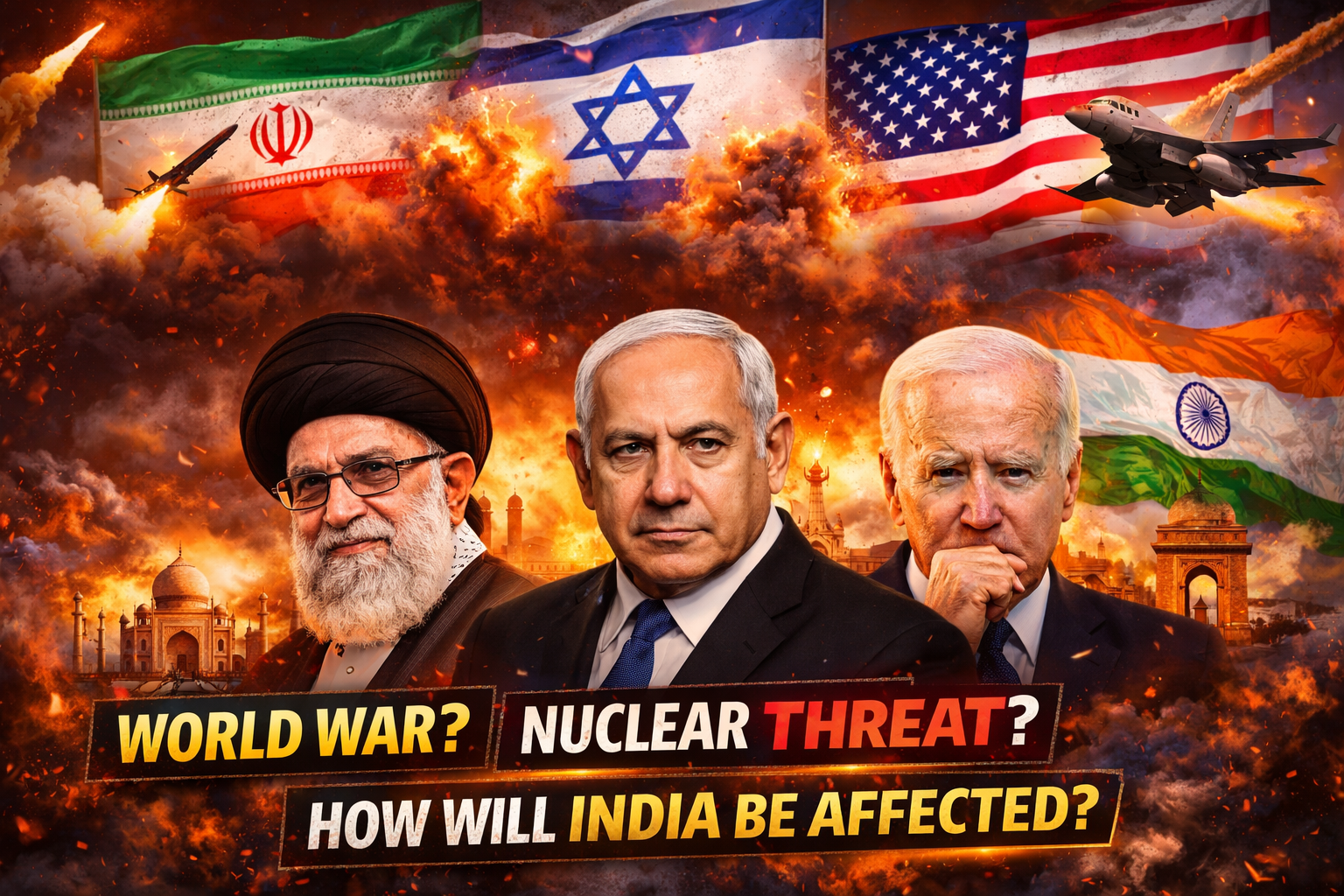
Middle East War: Biggest Impact on India!
•
#breakingnews, #dangerzone, #geopolitics, #globalconflict, #globaltension, #hiddentruth, #hindinews, #indiaconcern, #indiaeconomy, #indiaimpact, #indiainnews, #indiatrending, #indiaview, #iranisraelwar, #middleeastcrisis, #mustwatch, #newsindia, #nucleardanger, #nuclearwar, #petrolpricehike, #shockingnews, #TrendingNews, #viralnews, #waralert, #warnews, #worldwar3, #worldwarcoming
•


Leave a Reply