
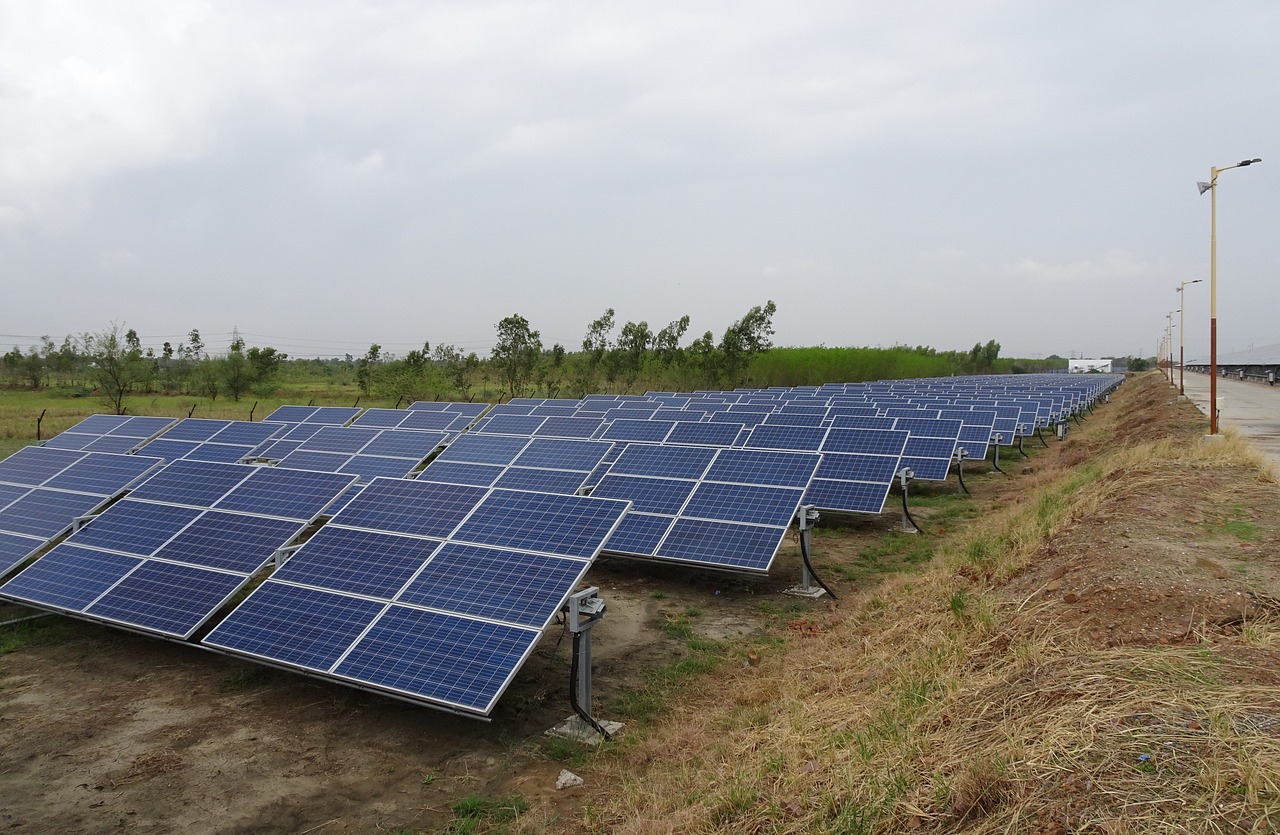
The global transition to renewable energy has positioned solar power as a primary driver of clean energy generation. However, as the first generations of solar installations reach their end-of-life, a new challenge emerges: managing the millions of tons of photovoltaic (PV) waste to ensure the “green” energy cycle remains truly sustainable.
The Growing Tidal Wave of PV Waste
Solar panels typically have a life expectancy of 25 to 30 years. While they provide clean energy during their operation, their disposal poses significant environmental risks if not handled correctly.
- Massive Volume: Global solar waste is projected to hit 8 million tonnes by 2030 and could reach 80 million metric tons by 2050.
- Environmental Hazards: Panels contain hazardous materials such as lead and tin. If these leach into the soil or groundwater, they can cause substantial pollution and health problems.
- Resource Loss: Standard crystalline silicon modules are composed of valuable materials, including glass (75%), aluminum (8%), and high-purity silicon (5%).
Breakthroughs in Recycling Technology
To combat this waste, the industry is developing sophisticated recycling methods to transition toward a circular economy.
- Mechanical Recycling: This involves crushing and shredding modules into small bits (4-5 mm) to separate glass and metal from laminate films.
- Thermal Processing: By heating modules to approximately 500°C, small plastic components evaporate, allowing cells to be separated more easily. This can reduce the energy required to manufacture new modules by up to 70%.
- Chemical Treatment: Often used for monocrystalline cells, chemical etchants help recover high-purity silicon and precious metals, though this method is currently less suitable for large-scale commercial use due to cost and time.
A Multi-Billion Dollar Opportunity
What was once viewed as a waste problem is rapidly becoming a lucrative business sector.
- Market Value: The recycled product value of crystalline silicon panels is estimated to reach $12 billion by 2035.
- Material Recovery: Reclaimed materials like ultra-pure silicon (99.9999% purity) can be repurposed for new solar panels or even used in the anodes of next-generation Lithium-ion batteries.
- Cost vs. Value: Currently, recycling a panel costs $20–$30, while the reclaimed materials are worth roughly $3–$4. This gap highlights the need for economic incentives and better regulatory frameworks to make recycling financially viable.
Global Perspectives and Regulations
Different regions are adopting varied approaches to PV waste management:
- European Union: Leads the way with the WEEE Directive, which classifies PV panels as e-waste and mandates strict recycling norms.
- United States: Currently lacks federal laws specifically for PV recycling, though waste is expected to reach up to 10 million tons by 2050.
- China: As the world’s largest PV market, China is investing heavily in R&D for physical and thermal recycling technologies to manage its projected 20 million tons of waste by 2050.



Leave a Reply