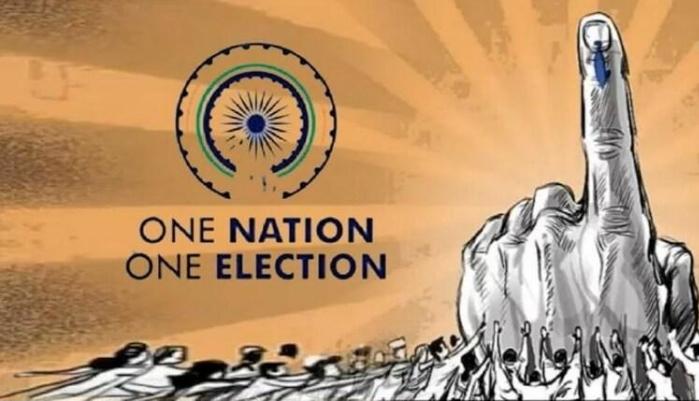
India is one of the world’s largest democracies, where elections are held regularly for the Lok Sabha, State Assemblies, Municipal Corporations, and Panchayats. The idea of “One Nation, One Election” proposes conducting Lok Sabha and all State Assembly elections together across the country. This topic has become one of the biggest national political debates in recent years.

What is One Nation One Election?
“One Nation, One Election” means holding elections for the Central Government and all State Governments at the same time. Voters would cast their votes for both Lok Sabha and State Assemblies in a single election cycle.
India followed a similar system during the early years after independence, but due to the fall of several governments and dissolution of assemblies, separate elections became common.

Why is This Idea Being Discussed?
The government and supporters believe that frequent elections create multiple challenges:
- High Election Costs
Conducting elections repeatedly across different states requires huge spending on security, administration, and campaigning.
- Governance Disruptions
The Model Code of Conduct during elections can slow down government projects and policy decisions.
- Administrative Pressure
Teachers, police forces, and government staff are heavily involved in election duties multiple times every year.
- Political Instability
Frequent elections keep political parties in campaign mode instead of focusing fully on governance and development.
Advantages of One Nation One Election
Better Governance
Governments may get more uninterrupted time to focus on development projects and policymaking.
Reduced Public Spending
Simultaneous elections could save billions of rupees spent on repeated voting arrangements.
Less Political Polarization
Continuous election campaigns often increase political tension. A single election cycle may reduce constant political conflict.
Economic Benefits
Businesses and investors prefer stable policy environments without frequent election-related uncertainty.
Concerns and Criticism
Threat to Federal Structure
Some experts believe simultaneous elections may weaken regional political issues and reduce the importance of state governments.
Constitutional Challenges
Implementing this system would require major constitutional amendments and coordination between states.
Voter Confusion
Critics argue that national and state issues are different, and voters should evaluate them separately.
Risk of Political Dominance
There are concerns that larger national parties could gain more advantage during combined elections.
What Experts Say
Political analysts remain divided. Some call it a historic reform for efficiency, while others believe India’s diversity makes separate elections more suitable for democracy.
Global Examples
Countries like South Africa and Sweden conduct national and regional elections together in some form. However, every democratic system works differently depending on the country’s constitution and political structure.
Possible Future Impact
If implemented successfully, One Nation One Election could transform India’s political and administrative system. However, it would require cooperation between political parties, state governments, and constitutional institutions.
Conclusion
The “One Nation, One Election” debate reflects India’s search for balancing efficient governance with democratic diversity. While supporters see it as a modern reform, critics warn about its possible impact on federalism and regional representation. The final decision will shape the future of Indian democracy for decades.

Leave a Reply